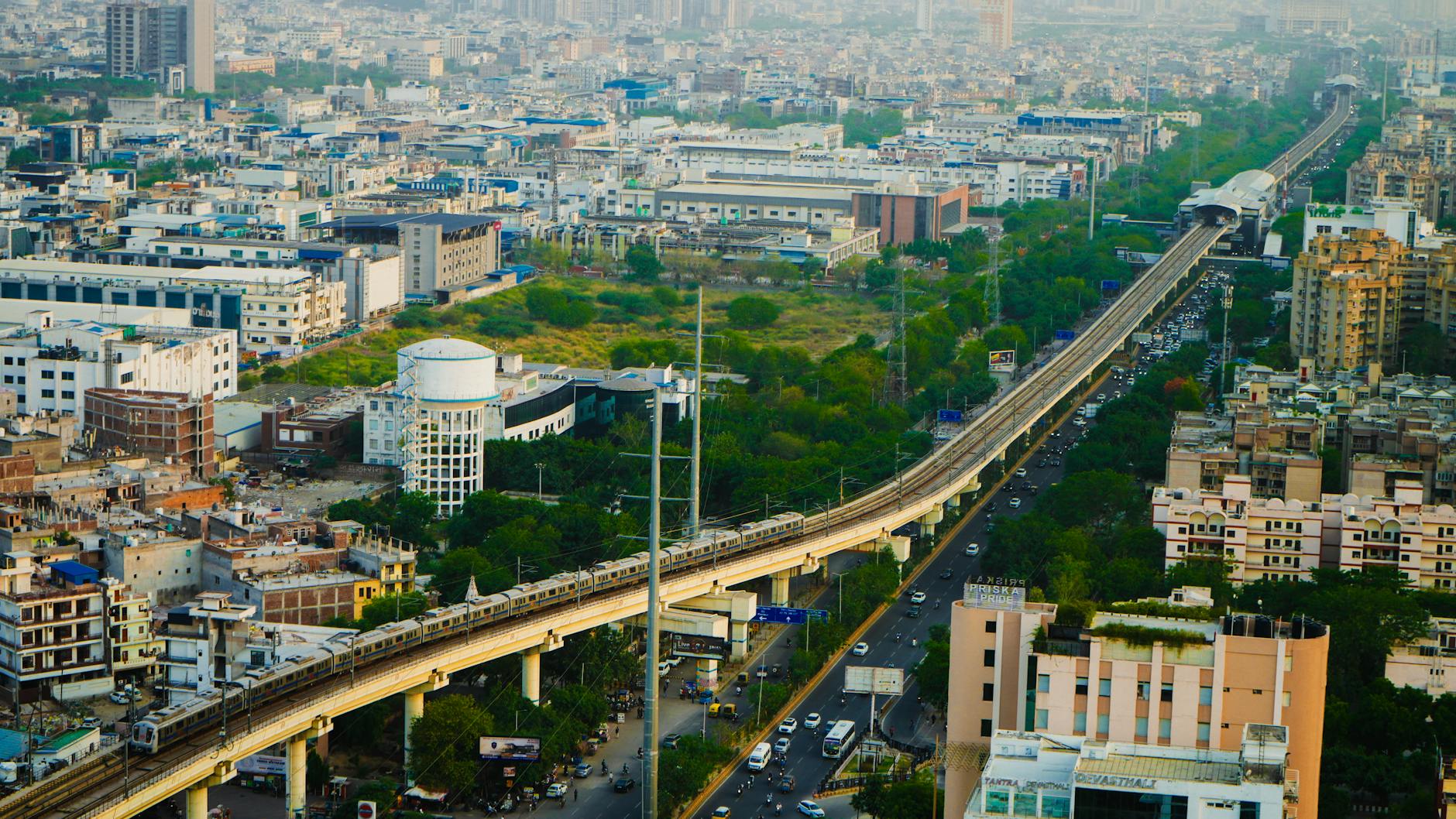

Delhi‑NCR Metro Faces Connectivity Crunch: Call Drops, Payment Failures, and Buffering Videos
TRAI’s latest study shows Delhi‑NCR metro commuters face frequent call drops, frozen UPI transactions, and video buffering, highlighting the need for better underground network infrastructure.
A recent TRAI assessment across Delhi‑NCR’s metro and Namo Bharat corridors reveals significant network gaps, with Jio leading downloads and Airtel topping uploads. The findings point to a growing need for dedicated telecom infrastructure underground.
Delhi NCR, TRAI, mobile connectivity, metro network, Jio, Airtel, UPI, digital commuters, underground telecom challenges, Delhi news
Delhi‑NCR’s Metro System Struggles with Connectivity
A fresh assessment by the Telecom Regulatory Authority of India (TRAI) has highlighted persistent connectivity issues along Delhi‑NCR’s metro and Namo Bharat rapid rail corridors. The study, carried out across nearly 490 km of underground and surface routes, found that reliable mobile service is far from guaranteed for daily commuters.
Key Findings of the TRAI Study
- Download Speeds – Reliance Jio emerged as the fastest operator for download speeds during the tests.
- Upload Speeds – Airtel topped the charts for upload performance.
- Overall Consistency – Despite these top performers, significant variations persisted across different operators and stations, leading to frequent call drops, stalled UPI payments, and video buffering.
These interruptions are more than mere inconveniences; they affect productivity, financial transactions, and entertainment during commuters’ journeys.
The Modern Commuter’s Digital Dependence
In today’s digital age, metro coaches serve as mobile offices. Professionals use travel time to attend virtual meetings, upload presentations, trade stocks, book ride‑hares, and stream large volumes of video content. As a result, seamless connectivity has evolved from a luxury to an essential utility for urban dwellers.
Why Underground Connectivity is Challenging
Urban underground environments present obstacles that hinder radio signal propagation. Concrete walls, steel beams, and tunnelling structures absorb and reflect radio waves, creating dead zones. Overcoming these requires dedicated telecom infrastructure such as fibre backhaul, distributed antenna systems, repeaters, and small cells strategically placed within the transit network.
Infrastructure built for voice calls and basic internet usage now faces the challenge of supporting thousands of simultaneous high‑definition video streams. The surge in data consumption during travel makes current setups inadequate.
Implications for Commuters and Operators
For commuters, every signal interruption can mean a missed call, a failed payment, or a delayed video conference. For operators, the need to upgrade underground infrastructure translates into higher capital expenditure and complex logistical coordination with metro authorities.
Calls for Immediate Action
Given the critical role of digital connectivity in daily life, stakeholders are urged to accelerate the deployment of robust underground telecom solutions. Enhanced coverage would not only improve commuter experience but also support the broader economic benefits of a digitally enabled workforce.
TRAI’s findings serve as a wake‑up call for both telecom operators and metro authorities to collaborate on solutions that ensure uninterrupted connectivity for the millions who depend on Delhi‑NCR’s rapid rail network each day.