
Haryana to revamp EV policy in Gurugram, direct subsidies
Haryana revamps EV policy with direct subsidies for buyers and aims to cut NCR pollution. Plans for 500 electric buses and 200 charging stations target Gurugram.
The Haryana government will rewrite its e‑vehicle policy, making subsidies available to buyers at the point of purchase. The revision targets a sharp drop in NCR air pollution, with new electric bus projects and charging infrastructure planned for Gurugram.
Gurugram, EV policy, Haryana, subsidies, electric vehicles, NCR, pollution, charging stations, electric buses
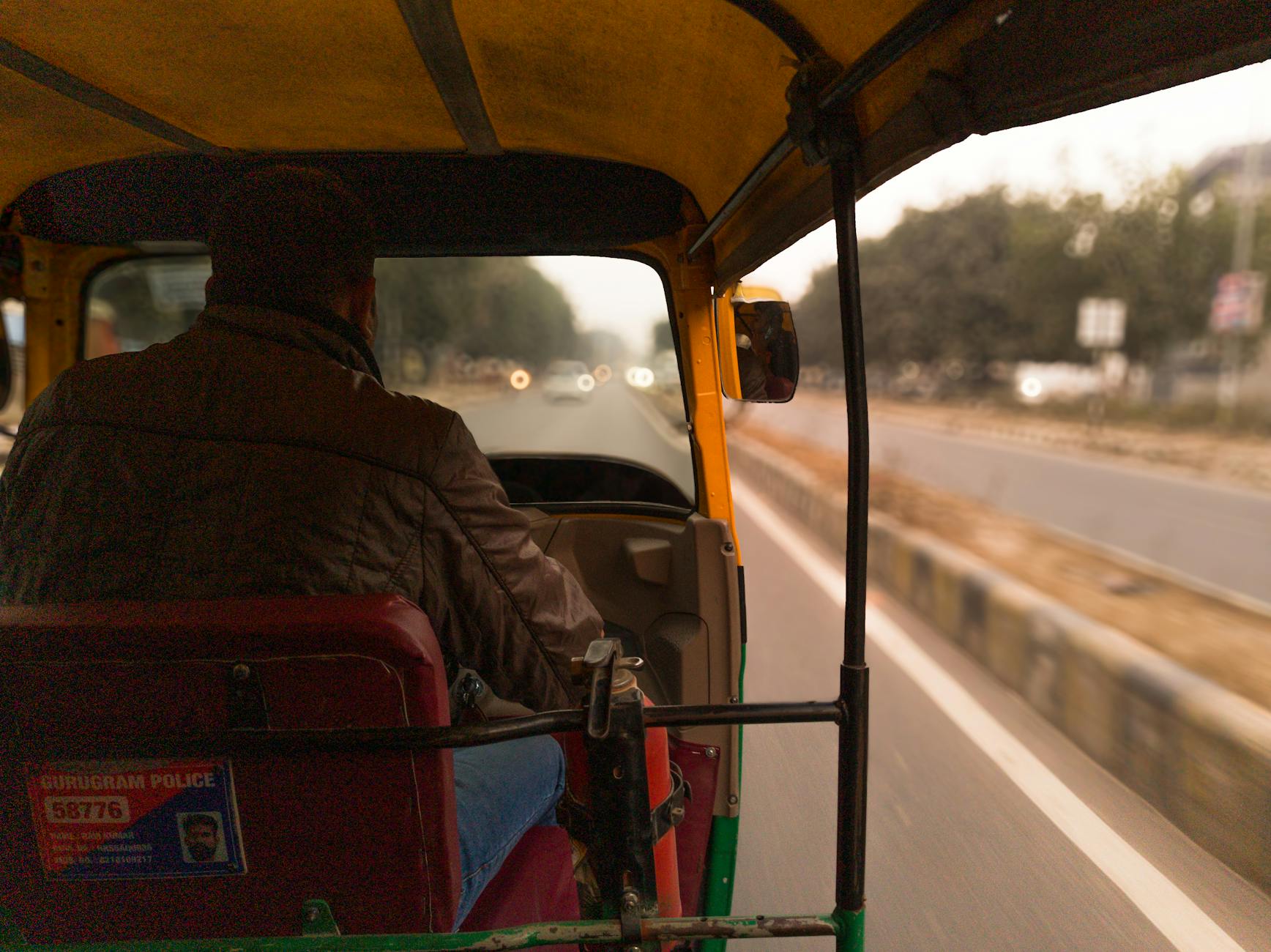
Rao Narbir Singh, Haryana’s Industry and Commerce Minister, directed officials to overhaul the state’s e‑vehicle subsidy framework. He wants the process to be simple, transparent and buyer‑friendly. The new rules will cover electric two‑wheelers, three‑wheelers, cars and even utility vehicles such as the Tata Magic. Purchasers will receive the subsidy instantly, which is unusual for this type of scheme. The change puts money directly into buyers’ pockets.
On 17 July 2026, the Haryana government issued the directive that subsidies for electric two‑wheelers, three‑wheelers, cars and Tata Magic vehicles will be disbursed at the point of sale. This one‑sentence announcement sets the tone for the entire policy overhaul.
Amit Agarwal, Commissioner and Secretary of the Department of Industry and Commerce, confirmed that the existing e‑vehicle policy remains in force until 2027. He said the state will study central and Delhi policies to shape necessary amendments quickly. The department will coordinate with the World Bank‑supported Arjun SPB programme to fund new initiatives.
And the Arjun SPB scheme will finance several projects aimed at cutting NCR pollution, with EV adoption as a pillar of the effort. Under the Air Quality Control Project, 500 electric buses will roll out across Gurugram, Faridabad, Sonepat and Jhajjar at an estimated cost of ₹90 crore. A network of 200 charging stations will support these buses, and developers who build stations will receive incentives.
The overall package also includes incentives for buying new electric three‑wheelers and for scrapping older units, support for cleaner diesel‑generator sets in factories, help installing Continuous Emission Monitoring Systems, and upgrades to dust and solid‑waste management in municipalities. Researchers will explore bio‑decomposers, while air‑quality laboratories and CAQM monitoring stations will be expanded. The aim is to lower stubble burning incidents and improve overall air quality across the region.
Meanwhile, officials have warned that the subsidies will be administered through a streamlined portal to avoid delays. The portal design will prioritize ease of use, ensuring that even first‑time EV buyers can claim benefits without complications. Businesses that adopt clean technologies will also qualify for additional grants, creating a multi‑layered push toward greener transport. The statewide rollout is expected to begin later this year, and early feedback will guide further refinements.
Overall, the Haryana initiative reflects a growing consensus that electric mobility can reduce emissions and improve public health. By linking subsidies directly to purchase transactions, the government hopes to accelerate adoption far faster than under the previous system. Observers note that similar efforts in Delhi and Gujarat have already shown measurable gains, which makes Haryana’s bold move a significant step forward.