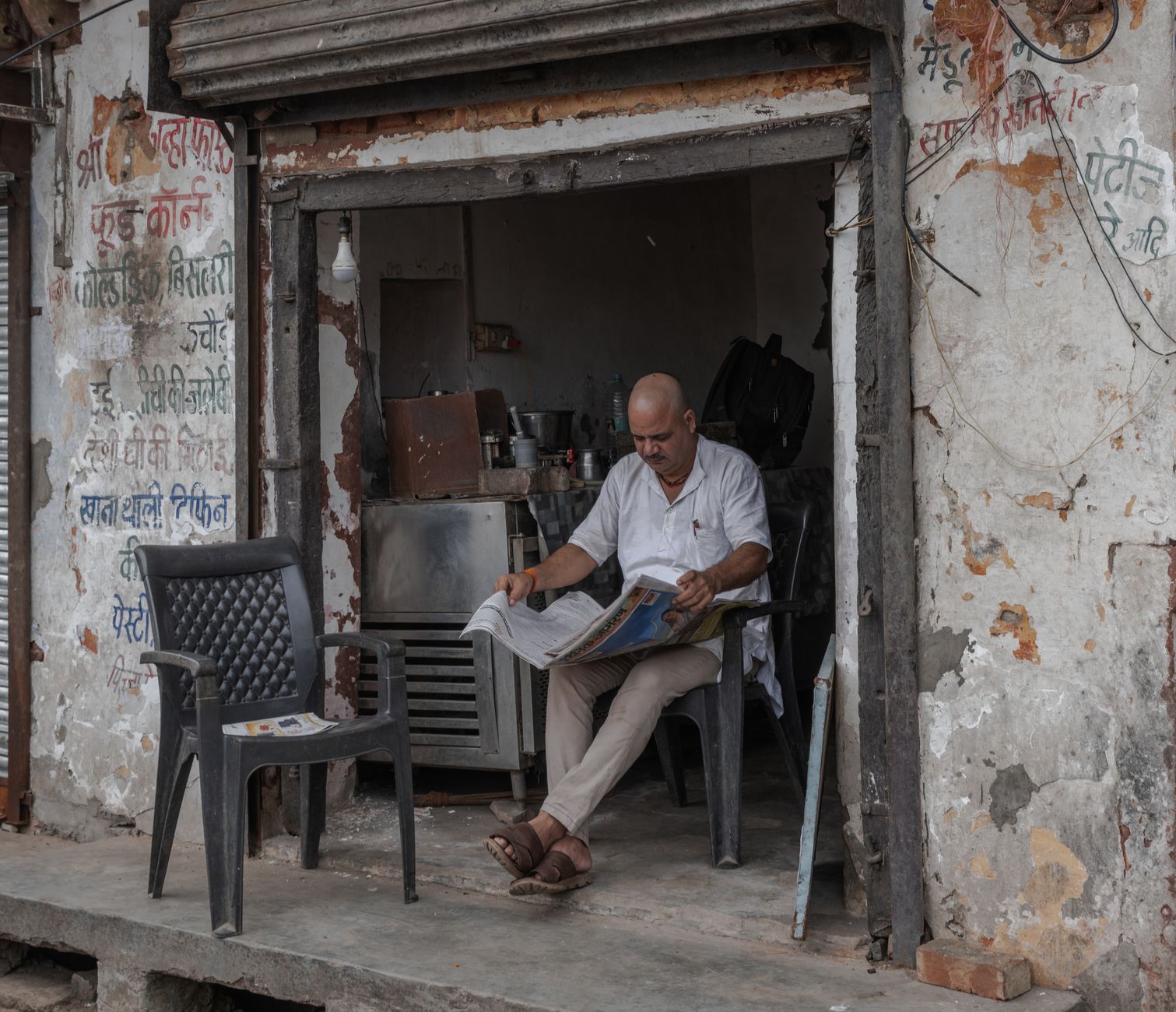

Silent Village in Jammu and Kashmir faces genetic hearing loss crisis affecting 90+ residents. Explore OTOF gene defect linked to consanguineous marriages.
A remote Jammu village struggles with a rare genetic disorder causing deafness. Scientific research uncovers OTOF gene mutations as the root cause.
#SilentVillage #GeneticMutation #JammuAndKashmir #ConsanguineousMarriages #MedicalCaseStudy #HearingLoss #DNAStudy #GurdwaraPopulation
Dhaddki village in Jammu and Kashmir’s Doda district, located 260 kilometers from the international border, is known as ‘Silent Village’ due to the widespread prevalence of deafness and muteness among its residents. The condition stems from a genetic anomaly prevalent in the Gurdwara Muslim community, where consanguineous marriages over generations have amplified recessive defects. As of 2026, over 90 individuals—mostly women—cannot hear or speak, a stark contrast to the village’s otherwise quiet but socially active environment. Historical records indicate the first case emerged in 1901 when a deaf child was born to Fawji Guran, a local resident. The issue progressed from 43 cases in 1990 to 79 in 2007, now exceeding 90 affected individuals.
The genetic root of this crisis lies in mutations of the OTOF gene, which normally facilitates auditory signal transmission from the inner ear to the brain. Scientific tests on village samples revealed severe defects in this gene, rendering carriers unable to process sound. When both parents inherit the mutated gene, their offspring are born deaf. The village’s insular genetic pool, maintained through tight-knit familial marriages, has concentrated this defect. Approximately 55 of 105 families report multiple deaf members, with some households documenting six out of seven children born deaf.
Contrary to initial perceptions of cultural or environmental taboos, the condition is a documented medical reality. Researchers from visiting scientific teams have validated the findings, dismissing superstitions. The OTOF mutation disrupts neural pathways critical for hearing, making the defect irreversible. Interest in the village has grown as a unique case study in genetics, particularly around founder effects and inbreeding. However, no medical solutions exist to reverse the condition, leaving residents to adapt through a locally developed sign language.
The villagers’ resilience is remarkable, yet concerning. Skilled in non-verbal communication—using eye movements and hand signals—the community has cultivated a functional local sign language adopted even by hearing members. This adaptation underscores their social cohesion but highlights the absence of external medical intervention. Without advanced genetic therapies or awareness programs, the cycle of deafness persists. Future efforts may focus on genetic counseling or community-based reproductive planning to mitigate the issue.
Source: https://gurugramnewsnetwork.com/indias-silent-village-where-most-children-are-born-deaf-mute/