


Gurugram Metro Expansion: Complete Route Map and Timeline Update
Explore Gurugram Metro expansion details: full route map, station count, phased timelines, construction milestones, expected costs, and completion schedule.
The Gurugram Metro expansion adds 35 kilometers of new track across six corridors. Construction is slated to finish ahead of schedule, enhancing regional connectivity.
Gurugram Metro, Metro Expansion, Public Transport, Urban Development, Haryana Infrastructure, Commuter Connectivity, Metro Projects, 2025 Timeline
The Gurugram Metro expansion project aims to connect the rapidly growing urban hub with the broader National Capital Region, reducing travel time and easing road congestion. This article outlines the full route, key milestones, and financial outlook.
Comprehensive Route Overview
The new corridor spans approximately 35 kilometers, linking Sector 56 in Gurugram to the existing Delhi Metro network at Ghitorni. Six new extensions will integrate with the Yellow Line and the upcoming Silver Line, creating seamless transfers. Each extension includes dedicated stations designed for high passenger volume, with plans for 12 additional stops.
Phased Construction Timeline
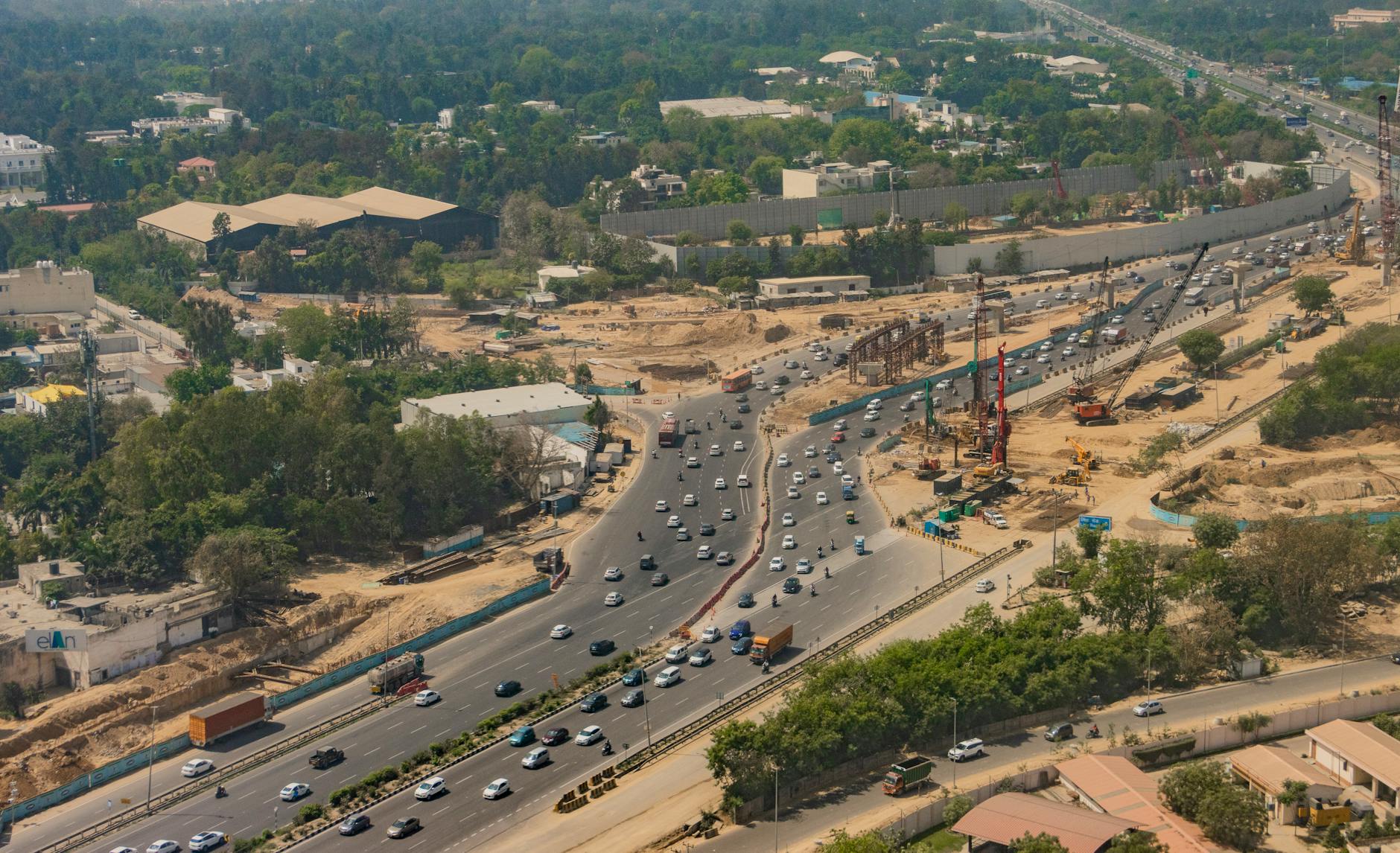
Phase 1, covering 12 stations, began civil works in early 2024 and is scheduled for completion by the end of 2027. Phase 2, extending the network further into Sector 78, targets a 2029 commissioning date. Throughout the project, the Delhi Metro Rail Corporation (DMRC) will coordinate with the Haryana Government to align funding and land acquisition.
Financial Scope and Expected Benefits
The entire expansion is projected to cost around ₹9,500 crore, sourced from a mix of central grants, state contributions, and private participation. Upon completion, travel time between central Gurugram and the Delhi Metro core is expected to drop by up to 30 minutes, supporting an estimated 1.2 million daily riders. The investment also includes ₹1,200 crore earmarked for ancillary infrastructure such as feeder bus services and parking facilities.
The most useful action readers can take now is to monitor official updates on the DMRC website and sign up for commuter alerts to stay informed about service changes.

