GMDA CEO P.C. Meena says drainage upgrades over seven years reduced chronic flooding locations to just seven, with three major projects completed before monsoon.
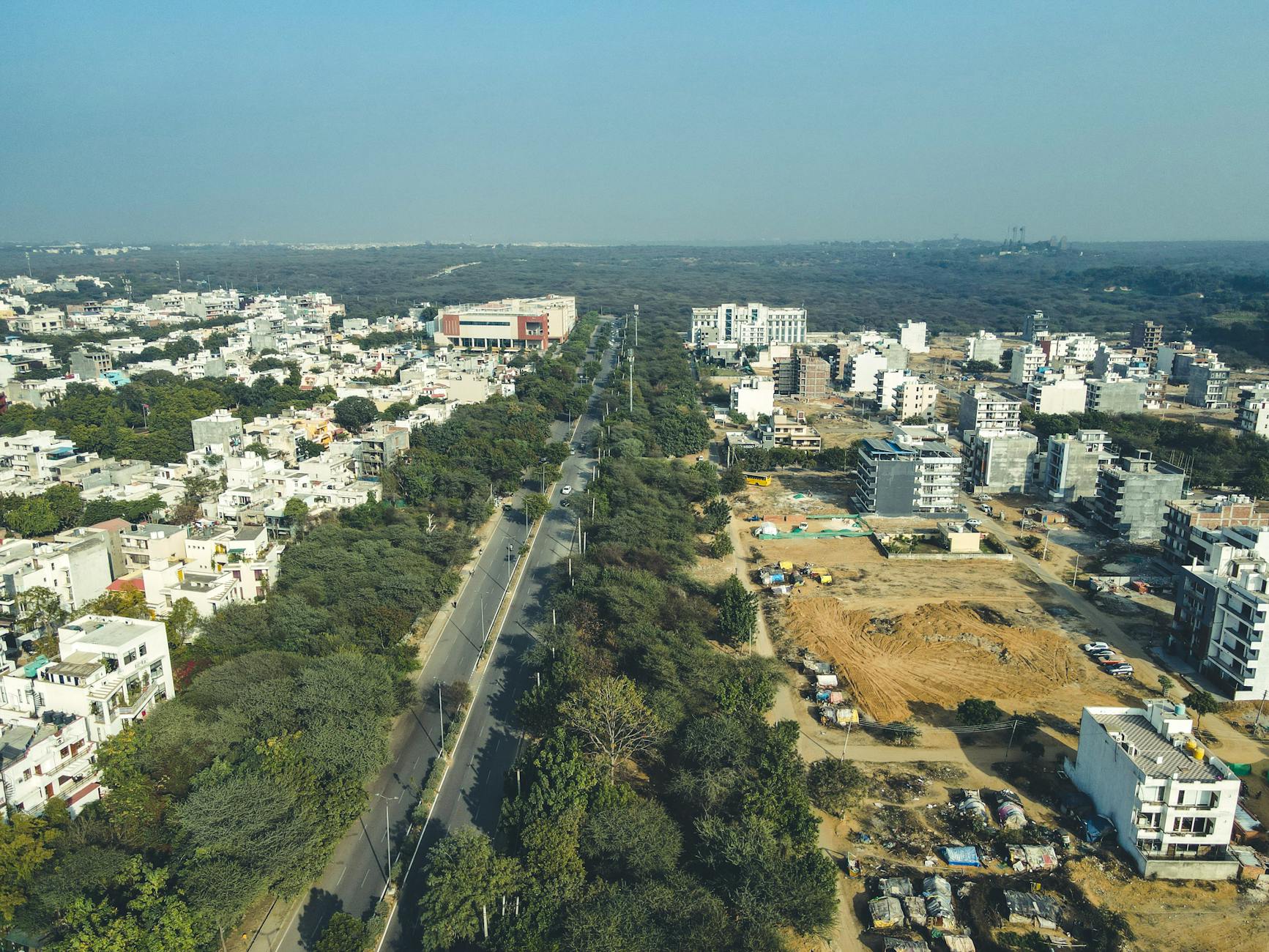
Gurugram’s waterlogging hotspots have dropped from 90 to seven since 2019, GMDA officials announced Saturday. Three major drainage projects and 70 kilometers of cleaned drains drive the improvement.
gurugram, gmda, waterlogging, drainage, monsoon, infrastructure, p.c. meena, stormwater, flooding, haryana
Gurugram Metropolitan Development Authority chief executive P.C. Meena made a striking claim Saturday: the city’s chronic waterlogging sites have plunged from 90 to just seven over the past seven years. He credited a mix of new infrastructure, relentless drain cleaning, and real-time monitoring for the turnaround. The announcement came as the monoon season tests the network.
Only seven trouble spots now persist. They are Narsinghpur, Khandasa Chowk, Jwala Mill Road, the Sector-28 stretch near Chakkarpur, Laxman Vihar, Sheetla Mata Road, and Krishna Chowk. Permanent fixes at these locations are still underway, Meena said. It’s a rare admission that work remains incomplete.
Three large drainage projects went live before the rains arrived. A master carrier drain — Leg-4 — now runs 13-plus kilometers along the Southern Peripheral Road from Vatika Chowk to NH-48. A 700-meter link connects Leg-3 of the Badshahpur drain at Narsinghpur. And a brand-new line cuts through the Tau Devi Lal Stadium complex. Together they’ve sped up runoff from SPR, Medanta Road, Narsinghpur, and Rajiv Chowk. The difference showed in the first heavy downpours.
Maintenance has been equally aggressive. Crews desilted 70.56 kilometers of master drains and cleared another 60-plus kilometers of surface channels. Workers installed more than 1,500 new road gully inlets so street water reaches pipes faster. They also stripped 45 kilometers of green belts of dumped debris and reshaped 35-plus kilometers into “green drains” that recharge groundwater while carrying stormwater. And the results are visible.
IIT Delhi is now partnering on modern harvesting structures at Sector-31, Sector-39, and near the AIT Chowk. The goal: capture rain, recharge aquifers, and smooth surface flows for future floods. Meanwhile, 34-plus submersible pumps sit ready at vulnerable nodes — four alone on NH-48 between Hero Honda Chowk and Narsinghpur. Others guard Khandasa Chowk, Medanta Road, and Sheetla Mata Road.
Coordination extends beyond GMDA. The National Highways Authority of India and the Municipal Corporation of Gurugram are jointly tackling Sohna Road flooding with permanent engineering solutions. Meena insisted the authority stays committed to scientific planning, timed construction, and continuous monitoring so the city stays passable even during extreme rain. Next monsoon will be the real test.
Source: https://gurugramnewsnetwork.com/gmda-claims-no-water-logging-at-83-places-in-gurugram-only-7-left/