


Sultanpur Lake Colonies Set for Legalisation; 184 Illegal Structures to be Demolished
Mansa Nagar Municipal Corporation moves to regularise 11 colonies near Sultanpur Lake while targeting 184 illegal buildings for demolition, pending approvals from wildlife boards.
The Mansa Nagar Municipal Corporation has prepared a survey to legalise eleven colonies surrounding Sultanpur Lake. Meanwhile, 184 unauthorised structures are slated for removal after wildlife department review.
Sultanpur Lake, Mansa Nagar Municipal Corporation, illegal colonies, wildlife board, demolition, Gurgaon news, Haryana development, urban planning, illegal construction, water supply
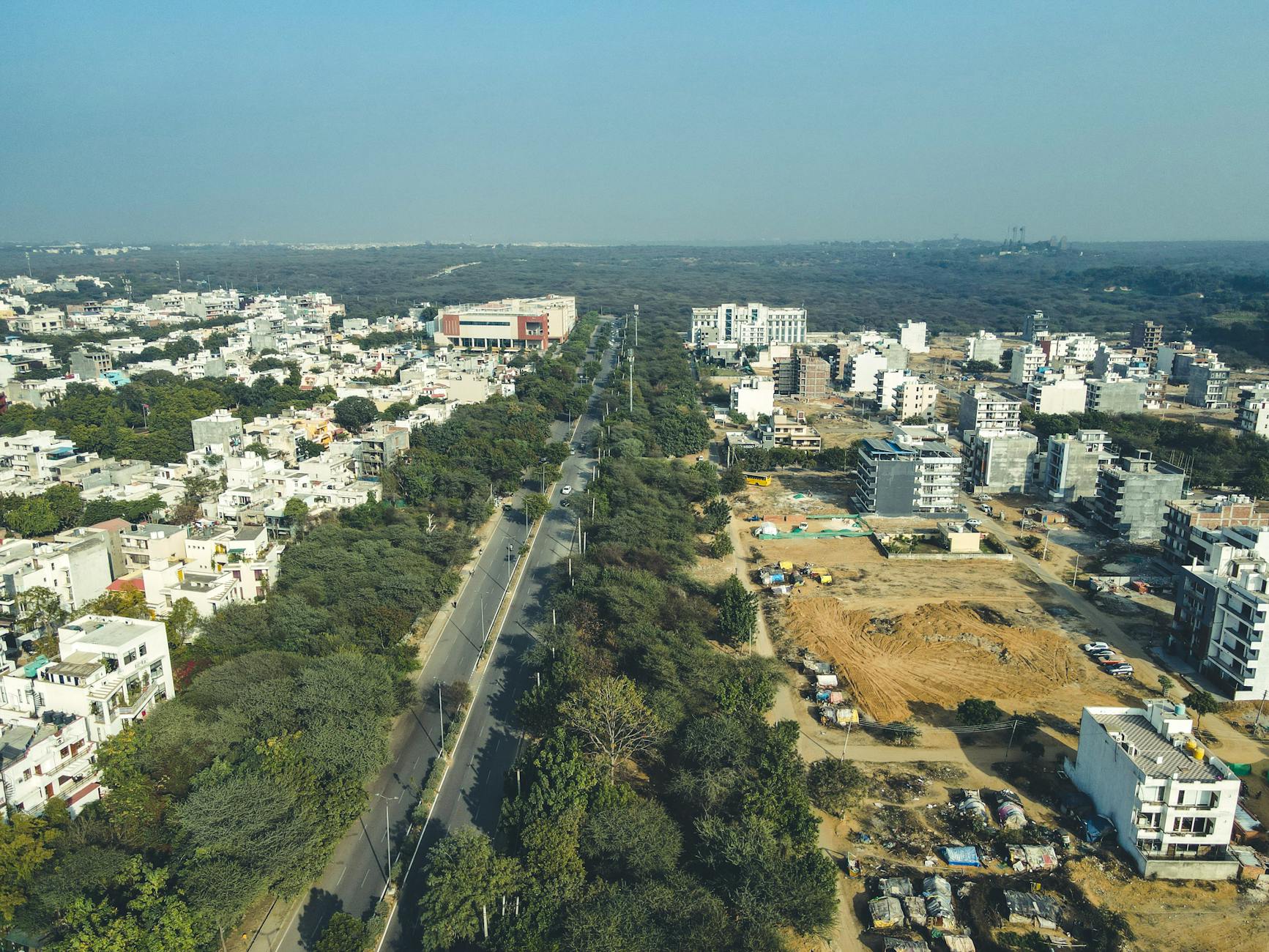
Gurugram, India — The municipal authorities of Mansa Nagar have taken a decisive step toward regularising eleven residential colonies that have been situated within the prohibited zone surrounding Sultanpur Lake. A detailed survey report has been drafted and forwarded to the State Wildlife Department, which will forward the file to its headquarters for final vetting.
According to officials, the legalisation process for all eleven colonies has already been initiated. The ultimate decision will be taken at the forthcoming meeting of the State Wildlife Board. Should the board grant its approval, the matter will be escalated to the National Board for Wildlife for a conclusive ruling.
These colonies have been inhabited since 2005, and together they are home to more than 25,000 residents. The lake and the adjacent national park are protected by a five‑kilometre buffer zone in which any form of construction is prohibited. Despite this restriction, the colonies were established two decades ago and have continued to expand.
Recent years have witnessed a surge in unauthorised settlement activity, with several new colonies emerging rapidly after 2020. Even after stringent directives were issued by the wildlife department, large‑scale construction persisted, leading to the current situation where the municipal corporation is now seeking a legal pathway for the existing settlements.
In tandem with the regularisation drive, the Mansa Nagar Municipal Corporation has compiled a list of 184 structures that are deemed illegal and will be demolished. The list includes a mix of residential houses, commercial buildings, and educational institutions such as schools and colleges. Some residents have also erected farmhouses very close to the lake’s embankment, prompting additional concern from the wildlife authorities.
After the colonies receive legal status, the local administration plans to roll out essential civic amenities. Paved roads, a comprehensive sewer network, and a reliable water supply are expected to be provided. Presently, many households rely on private submersible pumps for drinking water, a practice that is putting pressure on the groundwater table.
Officials highlighted that the present water‑supply situation is unsustainable. The over‑extraction of groundwater not only threatens the availability of drinking water for residents but also risks affecting the ecological balance of Sultanpur Lake, which depends on a stable water table.
The upcoming State Wildlife Board meeting is crucial, as its endorsement will determine whether the eleven colonies will be officially recognised and receive the promised infrastructure upgrades. Conversely, the 184 listed structures will be subject to demolition orders, reinforcing the enforcement of the lake’s protective buffer.
Stakeholders, including local residents, environmental groups, and urban planners, are closely monitoring the proceedings. The balance between regularising long‑standing settlements and preserving the ecological integrity of Sultanpur Lake remains a delicate challenge for the authorities.
As of 21 June 2026, the municipal corporation has not announced a definitive timeline for the demolition activities, but it has assured the public that all actions will be carried out in accordance with the final decisions of the State and National Wildlife Boards.

