


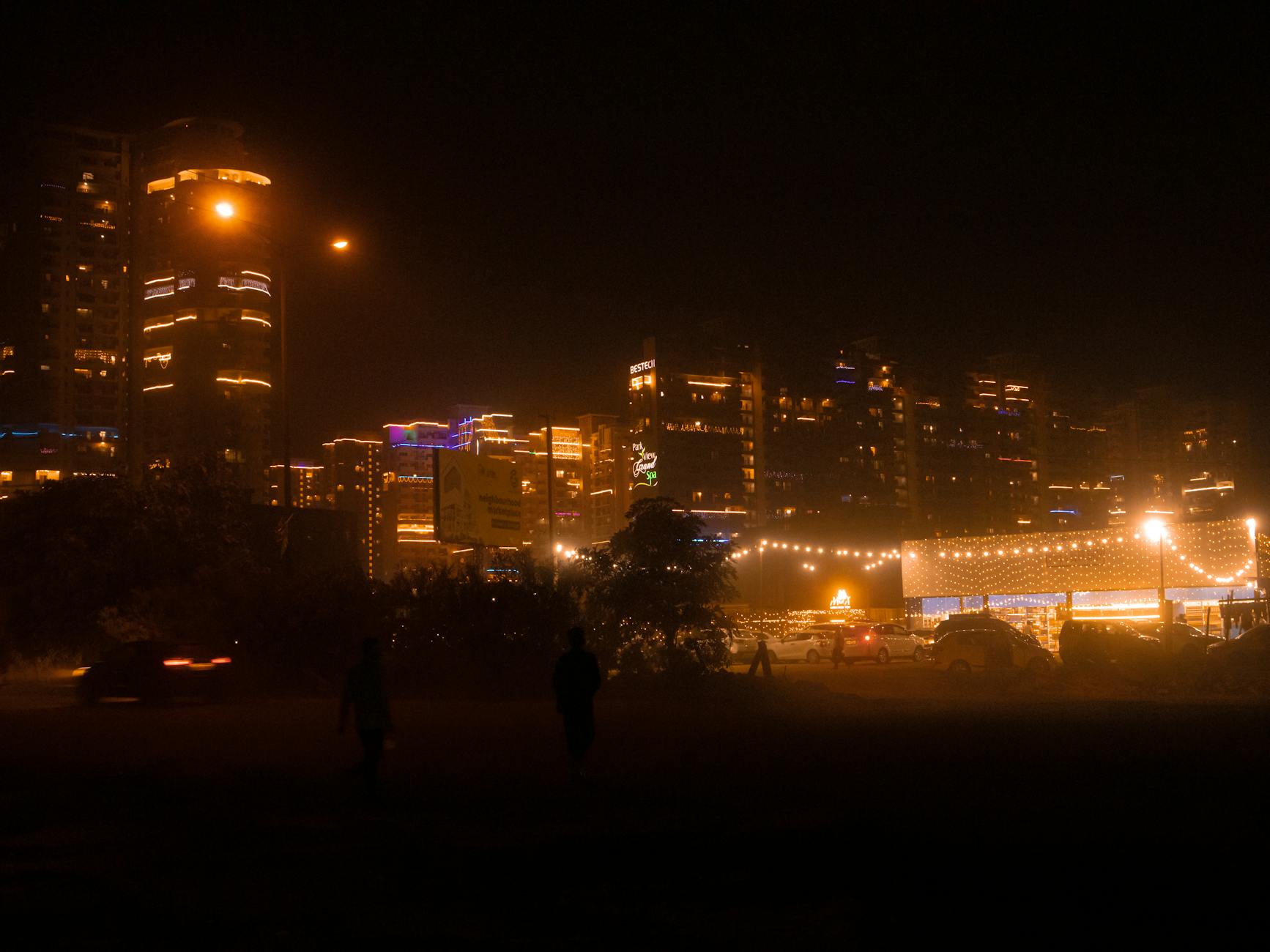
Gurugram’s ₹6 crore Model Road project from Bijnarasan to Raman Chowk faces skepticism over past infrastructure failures.
Gurugram Municipal Council announces ambitious plans for ‘Model Road’ amid locals questioning funds allocation. Skeptics cite previous road deterioration after similar announcements.
Gurugram news, Model Road project, Bijnarasan border, road development scam, infrastructure failure, public roads, smart city initiative
Gurugram Municipal Council (MCG) has initiated a ₹6 crore tender to develop a 4 km stretch of Model Road, stretching from Bijnarasan border to Raman Chowk. The proposal promises modern infrastructure including enhanced drainage, LED lighting, cycling paths, and smart traffic signals. MCG officials claim the project aims to reduce traffic congestion and improve safety along this heavily used route. A tender process was announced last week, with construction expected to begin by the end of the following month.
However, local residents and longtime users of the road remain deeply skeptical about the project’s feasibility and necessity. Area residents highlight that Model Road has a history of rapid degradation following so-called “model” upgrades. Past instances have shown that funds allocated for such projects often fail to translate into lasting improvements, with money seemingly squandered on short-lived renovations. The current ₹6 crore allocation has raised similar concerns, as critics argue that past maintenance costs for this stretch—amounting to lakhs of rupees—were already wasted on substandard work that collapsed during rainfall.
The discrepancy between official claims and ground realities has sparked frustration among commuters. Drivers report encountering severe potholes, poor drainage, and long traffic jams despite repeated maintenance cycles. Locals question how a ₹6 crore budget could address these persistent issues, especially when earlier repairs on the same road reportedly failed under rain. The MCG’s assurance of a “smart” and “safe” road appears contradicted by the existing conditions. Officials, however, maintain that the new project will incorporate durable materials and a renewed drainage system to prevent such failures.
The public’s skepticism is deeply rooted in MCG’s track record. Every time a road is labeled as ‘Model Road,’ it often deteriorates into a dilapidated path within months—a phenomenon locals colloquially refer to as “Mad-Road.” This pattern, coupled with the recent ₹6 crore bid, has led many to suspect a cycle of empty promises. A senior resident noted that while the MCG has repeatedly vowed to transform Model Road into a model infrastructure, each promise is followed by another cycle of repairs and wasted funds. The official statement has not addressed these historical failures, focusing instead on the new tender’s “modern” features.
As of now, the tender process is in its early stages, and no final contractors have been finalized. MCG authorities have emphasized that the project will be completed within six months, with work slated to begin in July 2026. However, locals remain unconvinced, demanding transparency about cost allocation and accountability measures. The absence of a clear guarantee that the new road will avoid past pitfalls has intensified public apprehension. Civil society groups and resident associations are reportedly preparing to contest the project if it proceeds without addressing historical concerns.
The situation underscores a broader issue in urban infrastructure planning—balancing ambitious projects with practical execution. While MCG’s vision of a smart, sustainable Model Road could benefit the area, the lack of trust in timely execution remains a barrier. The project’s success will hinge not just on technical improvements but also on whether officials can demonstrate accountability and correct past mismanagement. For now, the railways of Model Road continue to groan under the weight of neglect, with residents bracing for what they expect to be another cycle of disappointment.
What happens next will depend on how MCG navigates public demands for proof of effective infrastructure spending. If construction proceeds without addressing skepticism, the ₹6 crore project may join a long list of failed urban redevelopment efforts in Gurugram. Alternatively, increased public pressure could force a reassessment of priorities or funding allocation. Either way, the narrative of ‘Model Road’ as a symbol of progress or nonchalance will likely persist.

