


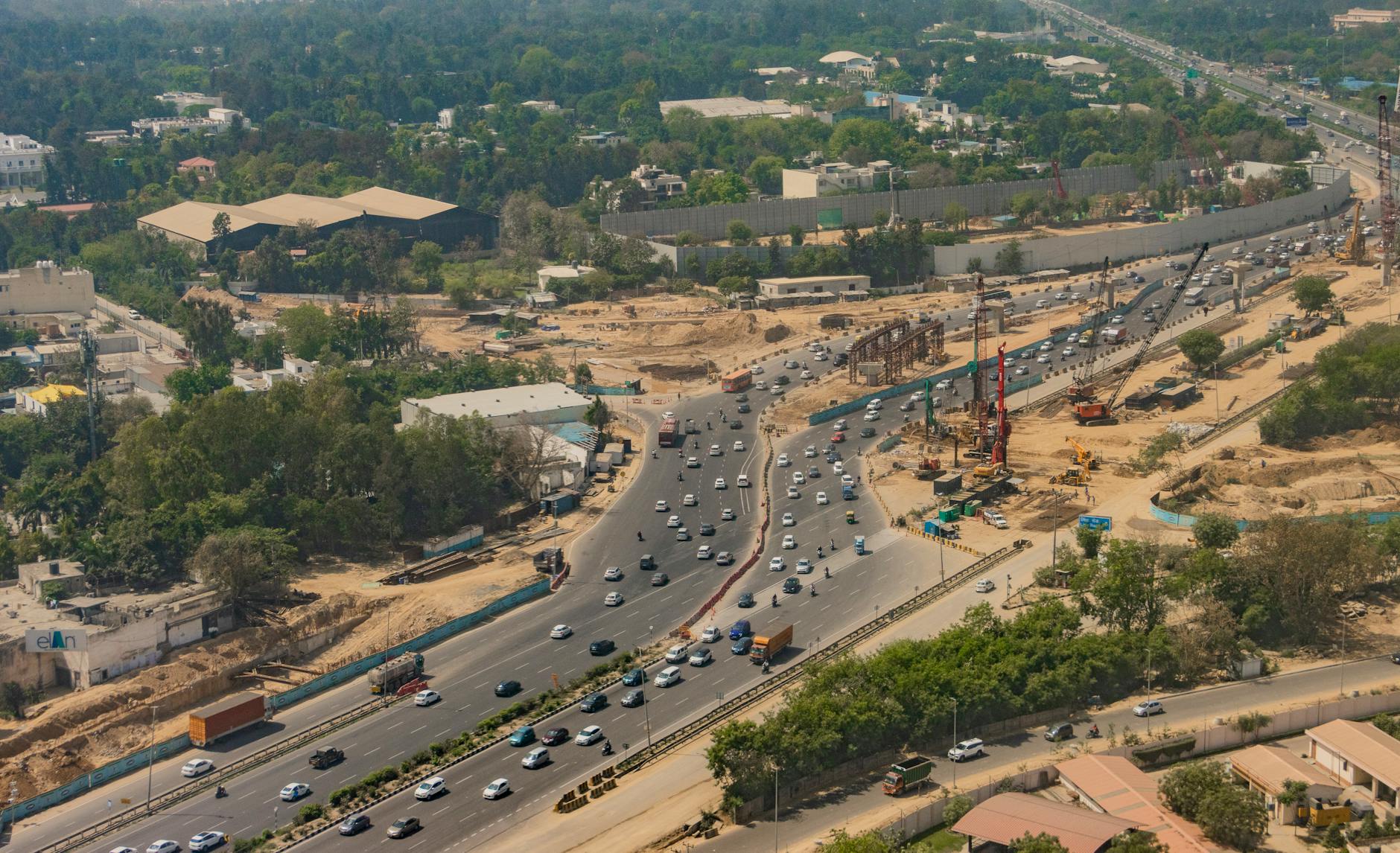
Traffic Issues in Gurgaon: Practical Solutions for Cleaner, Faster Commutes
Explore realistic measures to ease Gurgaon’s traffic congestion, from smart signalling and public transit upgrades to last‑mile connectivity and traffic law enforcement.
Gurgaon’s roads are clogged daily, but targeted interventions can restore flow. This guide outlines proven steps residents, authorities and businesses can take right now.
Gurgaon traffic, traffic management, public transport Gurgaon, smart traffic solutions, last‑mile connectivity, road safety, NCR traffic, urban mobility
Why Gurgaon’s Traffic Needs Immediate Action
Gurgaon’s rapid commercial growth has pushed vehicle numbers beyond 2.5 million registered cars, while the road network expands at a slower pace. Peak‑hour speeds on the Golf Course Road often dip below 15 km/h, leading to longer travel times, higher fuel consumption and increased emissions. Residents, commuters and logistics operators all feel the impact, making traffic‑related stress a daily reality.
1. Intelligent Traffic Signal Coordination
A city‑wide adaptive signalling system can cut waiting time at intersections by up to 30 %. The technology uses real‑time vehicle counts from sensors or CCTV feeds to adjust green‑light durations dynamically. Implementing such a system along the MG Road‑Sohna corridor, where the average queue length exceeds 200 m during evenings, would smooth flow without widening roads. The Municipal Corporation can partner with agencies like the National Informatics Centre (NIC) to deploy the required hardware and integrate it with the existing traffic control centre.
2. Expanding and Upgrading Public Transit
The Rapid Metro currently serves only a fraction of the city’s commuter base. Adding two new lines—one linking Sector 49 to the HUDA City Centre metro station and another connecting Dwarka Expressway to the Cyber City—could shift an estimated 120,000 private‑vehicle trips per day to rail. In addition, increasing the frequency of bus services on high‑demand corridors (e.g., sector 57–sector 45) to every 5 minutes during peak periods would make buses a more attractive option. Funding can be sourced from the Urban Development Ministry’s Smart Cities Mission, which offers grants for transit‑oriented projects.
3. Strengthening Last‑Mile Connectivity
Even with expanded rail, commuters need reliable options to travel the final kilometre to offices or homes. Dedicated bicycle lanes on the NH 48 flyover and regulated e‑rickshaw zones near major stations would provide safe, low‑cost alternatives. The Greater Gurgaon Development Authority can issue permits to registered e‑rickshaw operators through the online portal online.gdda.in, ensuring quality standards and fare transparency.
4. Enforcing Strict Parking and Lane Discipline
Illegal parking on arterial roads accounts for roughly 15 % of congestion, according to a recent traffic‑police audit. Deploying automated number‑plate recognition (ANPR) cameras at known hotspot areas—such as the Golf Course Road‑Sector 44 junction—allows instant fines of Rs 2,000 per violation. Additionally, creating a clear lane‑marking regime for heavy vehicles on the Sohna‑Dwarka stretch can prevent lane‑blocking, which currently adds an average of 7 minutes to travel time per trip.
5. Promoting Flexible Work Hours and Remote Work
Many multinational firms in Gurgaon have the infrastructure for staggered shifts or work‑from‑home arrangements. If 10 % of the workforce adopts a one‑hour shift difference, the peak traffic volume could drop by around 200,000 vehicles. Companies can coordinate through the HR portal of the Haryana Labour Department (hrms.haryana.gov.in) to register flexible‑hour policies, which may also qualify them for corporate social responsibility (CSR) incentives.
What Residents Can Do Today
Individual actions amplify the impact of larger measures. Car‑pooling through platforms like BlaBlaCar, using the HUDA e‑ticket system for bus rides, and adhering to traffic rules reduce congestion and emissions. By choosing these options, commuters not only save time but also contribute to a cleaner, more efficient Gurgaon.
Bottom Line
A combination of smart traffic signals, expanded rail and bus services, better last‑mile options, strict enforcement and flexible work schedules offers a realistic roadmap to de‑congest Gurgaon’s roads. Coordination between municipal bodies, state agencies and private stakeholders is essential, but each step is technically feasible and financially viable.
Take the first step now: download the “Haryana Traffic Watch” app from the Google Play Store and report any illegal parking or lane‑blocking you observe. Your report creates data that helps the traffic police target problem spots faster.

